
Introduction to Blockchain Technology
Blockchain technology represents a revolutionary approach to data management, characterized by its decentralized nature and robust security features. At its core, a blockchain is a distributed digital ledger that records transactions across multiple computers in such a way that the registered transactions cannot be altered retroactively. Each block in the chain contains a number of transactions, and every time a new transaction occurs, it is added to all participant’s ledgers, ensuring transparency and accuracy.
A defining characteristic of blockchain technology is its reliance on cryptographic security. This ensures that once data is recorded on the blockchain, it becomes immutable, meaning it cannot be deleted or altered without the consensus of all participants in the network. This feature greatly enhances security and builds trust among users, as tampering or fraudulent activities can be easily detected and prevented.
Consensus mechanisms are critical components of blockchain technology that facilitate agreement among distributed participants on the validity of transactions. There are various types of consensus algorithms, such as Proof of Work and Proof of Stake, each with unique benefits and challenges. These mechanisms help maintain the integrity and reliability of the system while allowing decentralized decision-making without the need for a central authority.
The growing importance of blockchain technology is evident in its diverse applications across various industries, including finance, healthcare, supply chain, and public services. By enhancing security, transparency, and efficiency, blockchain is transforming how businesses interact with one another and manage their operations. As the technology continues to evolve and gain mainstream acceptance, it holds the potential to create more resilient and efficient business ecosystems.
The Importance of Security in Business
In today’s digital landscape, security is a cornerstone of successful business operations. The rise of information technology has brought about new opportunities, but it has also introduced a range of potential vulnerabilities. Businesses increasingly encounter security threats such as data breaches, fraud, and unauthorized access, which can severely undermine their credibility and financial stability. Data breaches, for instance, can lead to the exposure of sensitive customer information, resulting in significant trust deficits and regulatory penalties. Fraud is another pressing issue, with cybercriminals constantly devising sophisticated schemes to manipulate digital systems and exploit weaknesses in company protocols.
Moreover, unauthorized access remains a significant concern. Weak authentication processes or outdated software can provide gateways for intruders to penetrate organizational infrastructure, placing confidential data at risk. Such incidents not only affect the targeted business but can also have ripple effects, impacting partners and consumers alike. The ramifications of a security breach can be substantial, including financial losses, legal issues, and reputational damage. Thus, fortifying security measures is integral to maintaining business integrity, protecting stakeholder interests, and fostering a secure environment for operations.

Implementing comprehensive security strategies is essential for mitigating these risks. Organizations must remain vigilant and proactive in identifying potential threats while developing robust defenses against ongoing attacks. Emerging technologies play a crucial role in enhancing security protocols. By utilizing blockchain, businesses can ensure higher levels of data integrity and accountability, thus safeguarding against the aforementioned security threats. As we explore the implications of blockchain technology, its effectiveness in bolstering business security will become increasingly apparent, making it an indispensable tool for modern enterprises.
How Blockchain Enhances Security
Blockchain technology is revolutionizing the way businesses approach security by leveraging its unique characteristics. One of the fundamental features that enhance security is the use of data encryption. Each transaction on a blockchain is secured with cryptographic algorithms, making it virtually impossible for unauthorized entities to access or alter the information without the proper keys. This ensures that sensitive data remains confidential and protected against cyber threats.
Another critical aspect of blockchain’s security is the immutability of records. Once a transaction is recorded on the blockchain, it cannot be altered or deleted. This feature provides a reliable and permanent audit trail, which is vital for businesses that require verified historical data for compliance or operational purposes. The immutable nature of blockchain significantly reduces the risk of fraud and unauthorized tampering, thereby enhancing overall trust within the system.
Moreover, blockchain enhances security through transparency facilitated by decentralized verification. Unlike traditional centralized databases, which are vulnerable to hacks and data breaches, blockchain operates on a distributed network of nodes. Each participant in the network has access to the same version of the blockchain, which fosters transparency. This decentralized approach enables effective monitoring of transactions, as any changes are visible to all participants. Consequently, this transparency not only builds trust among stakeholders but also deters malicious activities, as any suspicious behavior would be immediately detectable.
Numerous businesses have successfully harnessed blockchain technology to bolster security. For instance, supply chain companies utilize blockchain for tracking the provenance of critical goods, ensuring that every transaction is verifiable and traceable. Similarly, financial institutions leverage blockchain for secure and transparent peer-to-peer transactions, mitigating the risk of fraud. In essence, the integration of blockchain technology equips businesses with advanced security measures that significantly enhance their operational integrity and resilience against potential threats.
The Role of Transparency in Business Operations
Transparency in business operations is a crucial factor that significantly impacts trust, accountability, and overall effectiveness across various sectors. It fosters an environment where stakeholders—ranging from employees to customers and investors—can access essential information regarding operational practices and decision-making processes. This accessibility garners trust and confidence, particularly in industries such as finance, supply chain, and healthcare, where ethical standards and integrity are paramount.
In the financial sector, for instance, transparency is essential for building trust between institutions and their clients. When financial transactions and policies are clearly communicated, clients feel secure in their interactions, knowing that they are fully informed. This reassurance can lead to stronger customer loyalty and a more solid reputation in the marketplace, ultimately driving business growth. Additionally, a lack of transparency in financial dealings can lead to devasting consequences, such as regulatory penalties and loss of customer base due to diminished trust.
Similarly, in the supply chain domain, transparency is vital for monitoring product sourcing and ethical labor practices. Consumers are increasingly seeking assurance that the products they purchase are not only of high quality but also produced under fair conditions. Companies that practice transparency in their supply chains are not only able to uphold their reputation but also mitigate risks associated with fraudulent practices. In this context, employing blockchain technology can further enhance transparency, as it provides an immutable record of transactions, allowing all parties involved to verify information seamlessly.
In healthcare, transparency is critical not only for maintaining compliance with regulations but also for improving patient trust. When healthcare providers are transparent about their practices, including pricing and treatment options, patients can make more informed decisions. Conversely, a lack of transparency may lead to inefficiencies in patient care and potential reputational damage due to perceived mistrust by patients.
Enhancing Transparency with Blockchain Technology
Blockchain technology has emerged as a transformative force in the business landscape, particularly in enhancing transparency across various operational processes. At its core, blockchain operates as a decentralized ledger that records every transaction in a secure and chronological manner. This immutable nature of the data ensures that once information is entered, it cannot be altered or deleted, thereby promoting accountability and trust among stakeholders.
In a traditional business framework, transaction transparency can often be hindered by bureaucratic processes and centralized control over records. Conversely, blockchain technology allows for a shared digital ledger that is accessible to all authorized participants in real-time. This transparency facilitates a heightened level of trust, as each transaction is verifiable and traceable by those who have permissions. As a result, organizations can build stronger relationships with clients and partners, knowing that all parties operate from a single source of truth.
Numerous companies across different industries have successfully leveraged blockchain to improve transparency. For instance, the supply chain sector has seen significant advancements with firms utilizing blockchain to track the provenance of goods. When a product is shipped, each checkpoint in its journey is recorded on the blockchain, allowing consumers and manufacturers alike to confirm the integrity and origin of the item. This level of insight not only fosters consumer trust but also encourages companies to uphold ethical standards in sourcing materials.
Moreover, organizations in the financial sector have adopted blockchain to enhance transaction transparency, significantly mitigating risks related to fraud and dispute resolution. By having a transparent record of transactions, all parties involved can swiftly verify details, thus reducing the need for lengthy and costly reconciliation processes. Overall, the implementation of blockchain technology stands to bolster transparency within various business operations, fostering a culture of openness that ultimately benefits all stakeholders.
Improving Efficiency in Business Processes
Efficiency in business processes is a critical component that directly impacts productivity and profitability. In an era where competitive advantages are fleeting, organizations are continously seeking ways to minimize waste and optimize their operations. Efficiency can be understood as the ability to achieve maximum productivity with minimum wasted effort or expense. Traditional systems often introduce several bottlenecks, which lead to delays and increased costs. These inefficiencies not only consume resources but also hinder decision-making and ultimately affect a company’s bottom line.
Common bottlenecks in traditional business processes include manual data entry, lack of real-time information sharing, and inefficient communication channels. These issues can result in errors, slow response times, and duplication of efforts among staff. For instance, when information is stored in disparate systems, it complicates data retrieval, causing unnecessary delays in executing tasks. As a result, resources that could have been better utilized in core business activities are instead consumed in rectifying these inefficiencies.
As businesses navigate the complexities of modern markets, leveraging technological advancements becomes imperative. Emphasizing efficiency not only enhances productivity but also paves the way for increased profitability. Consequently, organizations that recognize and address inefficiencies through innovative solutions are better positioned to thrive in a competitive landscape.
To address such challenges, companies are adopting various strategies aimed at streamlining operations. These include automating repetitive tasks, employing project management tools, and integrating advanced technologies. Blockchain technology, for instance, is increasingly recognized for its potential to enhance efficiency.

By providing a decentralized and immutable ledger, blockchain can eliminate redundancy, reduce the time required for transaction processing, and ensure greater accuracy in data handling. Moreover, real-time access to information fosters transparency and collaboration among departments, further driving operational efficiency.
Leveraging Blockchain for Operational Efficiency
In recent years, blockchain technology has emerged as a transformative force in enhancing operational efficiency across various sectors. One of the key features of blockchain is the implementation of smart contracts. These self-executing contracts automate processes by executing predetermined agreements when specified conditions are met. This not only minimizes the need for intermediaries but also reduces the time and costs associated with contract enforcement. Businesses leveraging smart contracts can experience streamlined operations, helping them to focus resources on core activities.
Furthermore, blockchain’s capability for facilitating automated transactions plays a crucial role in boosting operational efficiency. By enabling direct peer-to-peer exchanges, organizations can eliminate delays and inefficiencies often associated with traditional transaction methods. This is particularly evident in the financial services sector, where blockchain streamlines payment processing and reduces the complexities of cross-border transactions. Instantaneous and transparent transactions lead to improved cash flow for businesses, empowering them to operate more effectively.
Another significant application of blockchain technology is in supply chain tracking. By providing a transparent ledger that is immutable, companies can trace the origin and journey of products with unparalleled accuracy. Organizations such as Walmart and IBM are leveraging blockchain to enhance transparency in their supply chains, enabling them to track the movement of goods in real time. This not only helps in mitigating fraud but also enhances accountability. The result is a more efficient operation, as companies can quickly respond to issues, reduce waste, and improve overall productivity.
As businesses explore the potential of blockchain, it is evident that leveraging this technology can yield remarkable efficiencies. From smart contracts to automated transactions and enhanced supply chain transparency, blockchain presents innovative solutions that pave the way for smarter, more efficient business operations.
Implementing Blockchain in Your Business
Implementing blockchain technology in your business requires a structured approach to ensure successful integration. The first step involves assessing the specific business needs that blockchain can address. Organizations should evaluate existing pain points, such as inefficiencies in data management or lack of transparency in transactions. Engaging stakeholders from various departments can provide valuable insights into the potential benefits of adopting blockchain solutions.
Once the business needs are clearly identified, selecting the right blockchain platform becomes crucial. Several platforms are available, each offering unique features tailored to different applications. For example, private blockchains are suitable for businesses that require enhanced privacy, while public blockchains facilitate broader collaboration. When making this selection, consider factors such as scalability, transaction speed, and interoperability with existing systems. Consulting with experts in blockchain technology can also aid in making an informed decision that aligns with your organizational goals.
Compliance with regulations is another critical aspect of implementing blockchain technology. As blockchain is a relatively new field, rapidly evolving regulatory frameworks can present challenges. It is essential for businesses to stay informed about relevant regulations, such as data protection laws and industry-specific compliance requirements. Collaborating with legal advisors who specialize in blockchain can help navigate this complex landscape and mitigate potential risks.
Additionally, organizations should be prepared to address challenges associated with blockchain adoption. Change management is key, as employees may resist new technologies. Providing training and ongoing support will help ease the transition. Furthermore, demonstrating the tangible benefits of blockchain—such as increased security, enhanced transparency, and improved efficiency—can foster a more positive outlook among team members. By following these steps, businesses can successfully implement blockchain technology, enhancing their operations and gaining a competitive advantage in the marketplace.
The Future of Blockchain in Business
The future of blockchain technology in business represents an exciting frontier marked by innovation and opportunity. As organizations increasingly recognize the myriad benefits of blockchain, this decentralized ledger system is poised to transform various sectors, including finance, supply chain, healthcare, and more. The potential for growth and adaptation is vast, with many businesses exploring how blockchain can enhance their operations.
One emerging trend is the development of smart contracts, which are self-executing contracts with the terms of the agreement directly written into code. These contracts facilitate trustless transactions, minimizing the need for intermediaries, reducing operational costs, and increasing transaction speed. This trend could profoundly impact industries such as real estate and legal services, where contract execution is often time-consuming and prone to errors.
Another area where blockchain is likely to have significant influence is in supply chain management. By providing an immutable record of transactions, blockchain allows businesses to trace the provenance of goods, ensuring transparency and accountability throughout the supply chain. This is particularly vital in industries like food and pharmaceuticals, where consumers increasingly demand information about the origins and handling of products..
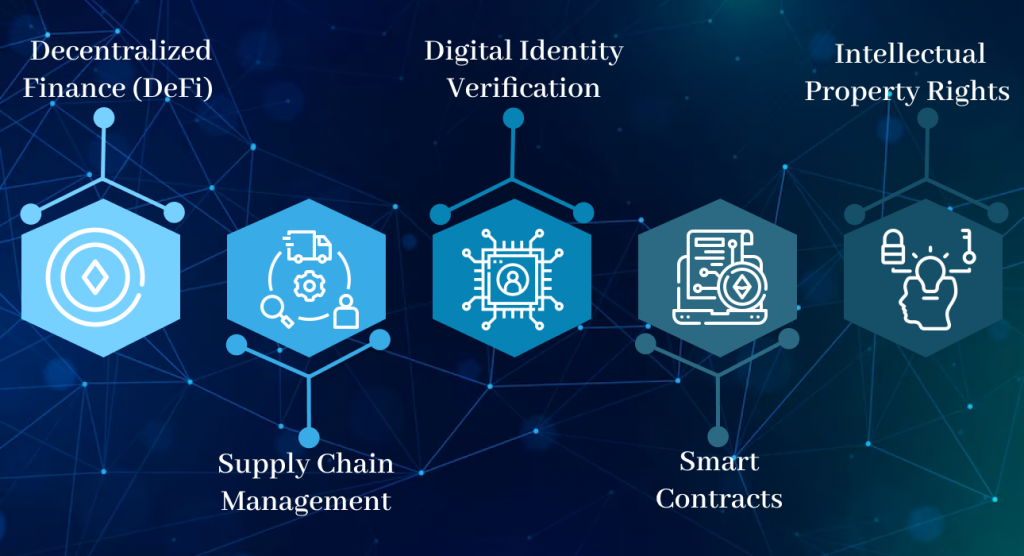
Moreover, as data privacy and security concerns continue to rise, blockchain technology offers robust solutions through its inherent encryption and decentralization. Companies that adopt blockchain can enhance their cybersecurity posture while also fostering consumer trust—an invaluable asset in today’s digital landscape
In conclusion, the future of blockchain in business is characterized by a growing trend toward its adoption and integration. By embracing blockchain, organizations can not only enhance security, transparency, and efficiency but also position themselves strategically to thrive in a competitive landscape. As innovations continue to unfold, businesses that leverage blockchain technology stand to gain a significant advantage, paving the way for a more efficient and transparent future.