- Introduction to Mobile App Maintenance

In the rapidly evolving digital landscape, mobile applications have become indispensable tools for both businesses and users. However, developing an app is merely the beginning of a longer journey that necessitates ongoing efforts to ensure its optimal performance and utility. This is where mobile app maintenance comes into play. Mobile app maintenance involves a series of practices and updates designed to enhance the longevity, functionality, and user experience of mobile applications.
Mobile applications undergo a typical lifecycle that includes development, deployment, user engagement, and eventually, maintenance. The initial phases focus on the creation of a robust application. Yet, as user needs evolve and technology advances, the importance of subsequent maintenance cannot be overstated. Regular updates and optimizations are vital for keeping pace with the frequent changes in operating systems, software environments, and user expectations. Neglecting this aspect can lead not only to diminished performance but also to reduced user satisfaction and engagement.
Furthermore, mobile app maintenance is essential for adapting to security threats that may arise over time. As new vulnerabilities are discovered, it becomes critical to update the app routinely to safeguard user data and privacy. Consequently, investing in a solid maintenance plan ultimately contributes to building trust and reliability with users.
The role of mobile app maintenance transcends mere technical updates; it is about creating a relationship with users through continued support and enhancement. This ensures that the app remains relevant and competitive in an increasingly crowded market. In summary, effective mobile app maintenance is integral to ensuring that applications not only function seamlessly but also align with the evolving digital demands and expectations of their users.
Why Mobile App Maintenance is Essential
In an increasingly digital landscape, mobile applications have become integral to business operations and user engagement. However, neglecting the maintenance of these applications can lead to a myriad of issues that significantly impact their performance and user satisfaction. Regular mobile app maintenance is, therefore, crucial for several reasons.
First, bug fixes are an essential part of maintenance. Research indicates that up to 80% of users uninstall an application after just one negative experience related to bugs or crashes. By routinely updating your application to address these issues, you not only enhance stability but also foster user retention. Furthermore, performance optimization is another critical aspect. Regular updates can improve loading times and responsiveness, contributing to a smoother user experience. Studies show that a one-second delay in load time can result in a 7% reduction in conversions, emphasizing the value of high performance.
Enhancing user experience translates directly into increased engagement and customer loyalty. By keeping the application intuitive and responsive, users are more likely to return. Moreover, security updates are vital for protecting users’ data and personal information. With mobile security breaches on the rise, implementing regular maintenance to address vulnerabilities is imperative. It is reported that 60% of users will uninstall an app if they feel their personal data is not secure, reinforcing the need for stringent security measures.
Lastly, staying current with the latest operating systems and device capabilities is essential. Mobile technologies evolve rapidly; hence, ensuring your application is compatible with new updates is vital for maintaining its functionality. In conclusion, mobile app maintenance is not just a necessity; it is a strategic investment in the longevity and success of your application.
Common Issues Faced Without Maintenance
Mobile applications have become an integral part of daily life, and their failure to operate seamlessly can have significant consequences. One of the most prevalent issues faced by mobile apps lacking regular maintenance is outdated software. As technology advances, new updates and features are developed, leaving unmaintained apps behind. A study revealed that 70% of users abandon an app due to performance issues, such as frequent crashes or slow load times, which can often be attributed to outdated software not optimized for the latest operating systems.
Moreover, security vulnerabilities pose a serious threat to applications that do not undergo routine maintenance. Cybersecurity incidents have become increasingly common, where unprotected apps have suffered data breaches leading to the unauthorized access of sensitive user information. According to a 2022 report, nearly 30% of mobile app vulnerabilities were traced back to a lack of timely updates, highlighting the crucial role of ongoing maintenance in protecting user data and preventing costly security breaches.
Another consequence of neglecting app maintenance is the deterioration of user ratings. Bugs and glitches can significantly diminish user experience, leading to poor reviews and, ultimately, a decline in overall app engagement. For instance, the popular messaging app WhatsApp faced a significant drop in user ratings following a series of bugs that were not promptly addressed, illustrating how failure to fix issues can lead to a loss of user trust and engagement over time. The correlation between timely app maintenance and user satisfaction is clear; neglect can result in decreased retention rates and a reduced customer base.
In summary, the absence of regular maintenance can culminate in software obsolescence, security risks, and diminished user satisfaction. Addressing these issues through consistent upkeep is essential for sustaining an effective mobile application that meets user expectations and fosters ongoing engagement.
Types of Mobile App Maintenance Services
Maintaining mobile applications is crucial to ensure their continuous performance and user satisfaction. Various types of mobile app maintenance services are available, each designed to address specific needs of the application. These services can be broadly categorized into four main types: corrective maintenance, adaptive maintenance, perfective maintenance, and preventive maintenance.
Corrective maintenance primarily involves identifying and fixing bugs or issues that can hinder the application’s functionality. This type of maintenance addresses immediate concerns, ensuring that users have a smooth experience without interruptions. Bug fixes are critical, as they can arise from changes in user behavior, software updates, or even hardware variations. Swift corrective maintenance can significantly enhance user retention and satisfaction.
Adaptive maintenance focuses on updating the application to comply with new platforms or device specifications. With the rapid evolution of technology, applications must be compatible with the latest operating systems, screen sizes, and hardware advancements. This form of maintenance is essential for keeping the app relevant and accessible to users across various devices, thus expanding its user base.
Perfective maintenance aims to enhance existing features and functionalities of the application. This might include adding new capabilities or improving current ones based on user feedback or market trends. By investing in perfective maintenance, businesses can ensure that their mobile applications remain competitive and aligned with user expectations, fostering greater engagement and loyalty.
Finally, preventive maintenance encompasses proactive upgrades to minimize future risks and performance issues. This type of maintenance is designed to address potential concerns before they manifest, allowing for a more seamless user experience. Preventive measures can include routine performance evaluations, security updates, and regular system backups, ensuring that the application remains robust and functional.
Incorporating all these types of maintenance services effectively can significantly enhance the longevity and performance of mobile applications, ultimately delivering value to both developers and users alike.
Best Practices for Effective Mobile App Maintenance
Maintaining a mobile application is a continuous process that requires careful planning and execution. One of the foremost best practices in mobile app maintenance is to implement routine updates. Keeping your application updated not only addresses security vulnerabilities but also enhances performance and user experience. Regular updates can include new features, bug fixes, or performance improvements that are essential for the longevity of the app.
Another critical strategy is consistent testing. Regular testing should encompass various aspects such as functionality, compatibility, and usability. This ensures that any potential bugs are identified and resolved swiftly, preventing disruption to the user experience. Employing automated testing tools can significantly streamline this process and ensure that your app continues to run smoothly across different devices and operating systems.
Integrating user feedback into the maintenance process is also crucial. Actively seeking input from users allows developers to understand their needs and expectations better. Conducting surveys, monitoring app reviews, and engaging with users through social media are effective methods for gathering this valuable feedback. By analyzing user suggestions, developers can prioritize updates and new features that resonate most with their target audience.
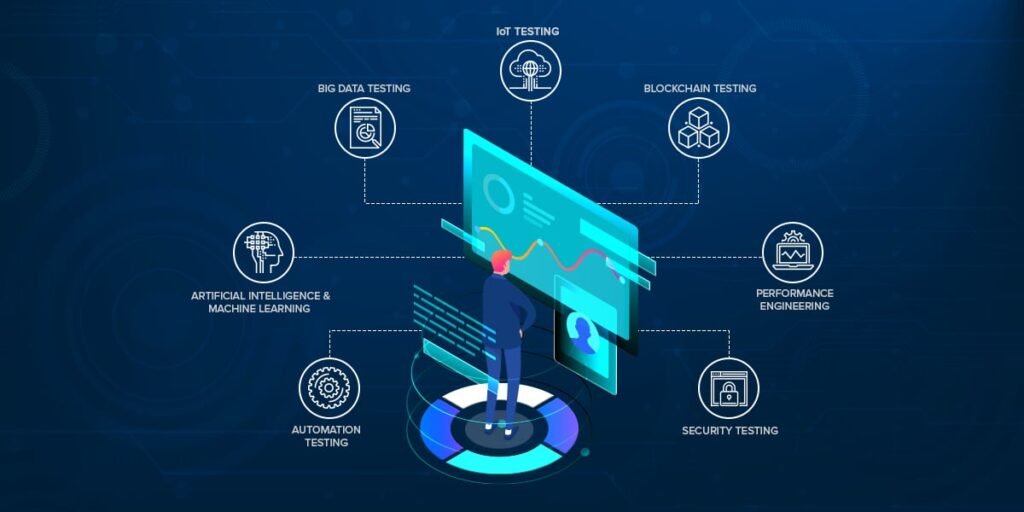
Additionally, monitoring app performance analytics is essential for effective maintenance. Tools such as Google Analytics for mobile or Firebase provide insights into various metrics, including user engagement, crash reports, and session duration. By regularly reviewing these analytics, developers can identify performance bottlenecks and areas for improvement, ensuring that the app remains responsive and reliable.
To facilitate a more efficient maintenance process, employing project management methodologies, such as Agile, can enhance collaboration among team members. By breaking down tasks into manageable sprints, developers can focus on specific maintenance objectives while adapting to evolving user expectations. Maintaining a well-documented process can also help streamline communications and workflows.
Cost Considerations for Mobile App Maintenance
When developing and deploying mobile applications, proper financial planning for maintenance is crucial to ensure longevity and functionality. It is essential to recognize the costs associated with regular maintenance compared to the potential expenses incurred through neglect. Conducting regular maintenance can prevent minor issues from escalating into significant problems that could disrupt service and lead to a loss of user engagement.
Regular mobile app maintenance typically encompasses updates for operating systems, bug fixes, performance enhancements, and feature improvements. These proactive measures may incur recurring costs but are ultimately marginal when viewed alongside the possible repercussions of failure to maintain the application. Neglecting to perform these updates can lead to increased downtime, negative user experiences, and potential security vulnerabilities, which can significantly impact your app’s reputation and profitability.
Budget planning for mobile app maintenance should involve a detailed analysis of the costs related to both regular servicing and potential emergency repairs. By allocating a budget specifically for maintenance from the outset, businesses can ensure that they are prepared for routine upkeep without facing financial strain. It is advisable for businesses to evaluate the long-term benefits of maintenance against the upfront costs, leading to an informed decision that prioritizes enhanced performance and user satisfaction.
Investing in mobile app maintenance often yields a better return on investment (ROI). Enhanced app performance and prompt updates result in improved user retention rates and attract new users who value reliability and updated features. Furthermore, a well-maintained app can help build a positive brand image, ultimately leading to higher revenues. Thus, the cost considerations of mobile app maintenance should be approached strategically to ensure the sustained success of your mobile applications.
Choosing the Right Mobile App Maintenance Provider
Choosing the right mobile app maintenance provider is crucial for ensuring the ongoing success and smooth operation of your application. A well-selected provider can help you navigate the complexities of mobile app management, from routine updates to emergency fixes. When considering options, several factors should be assessed, including expertise, pricing models, service range, and client reviews.
Firstly, evaluate the expertise of the mobile app maintenance provider. It’s essential to consider whether the provider has experience in maintaining applications that are similar in nature and complexity to yours. Look for a team that is proficient in the technology stack used in your app and has a solid understanding of various platforms, such as iOS and Android. This expertise can significantly impact the quality and efficiency of the maintenance services offered.

Next, consider the pricing models available. There are generally two types of pricing structures: fixed pricing and hourly rates. While fixed pricing can provide clear costs upfront, hourly rates may offer flexibility to address unique situations that arise during the app maintenance process. It is advisable to choose a model that aligns with your financial capacity and the anticipated scope of work.The range of services offered by the provider is another critical factor. Ensure that they cover all necessary aspects, including bug fixes, performance optimization, user experience improvements, and security updates.
A comprehensive service range will reduce the need to engage multiple vendors, streamlining communication and project management.Lastly, examining client reviews and testimonials can provide valuable insights into the provider’s reliability and effectiveness. Look for feedback that highlights their ability to meet deadlines, quality of support, and overall client satisfaction. When evaluating potential providers, consider asking them the following questions:
- What is your experience with mobile application maintenance?
- Can you provide case studies or references from similar projects?
- What pricing models do you offer, and can you explain the advantages of each?
- What specific services are included in your maintenance package?
- How do you handle urgent issues or support requests?
If you methodically address these factors and pose pertinent questions, you will greatly increase your chances of selecting a mobile app maintenance provider that not only meets but exceeds your expectations.
The Future of Mobile App Maintenance
The landscape of mobile app maintenance is continually evolving, driven by advancements in technology and changing user expectations. As mobile applications become more sophisticated, the importance of effective maintenance strategies is paramount. The integration of automation, artificial intelligence (AI), and machine learning is reshaping how developers ensure their apps remain efficient, responsive, and competitive in a crowded marketplace.
Automation plays a significant role in streamlining routine maintenance tasks. By automating processes such as bug tracking, performance monitoring, and user feedback analysis, developers can significantly reduce the time and effort required to keep applications running smoothly. This enables teams to focus on more strategic initiatives, like feature development and user experience enhancements, ultimately improving the overall quality of the app.
AI and machine learning further enhance mobile app maintenance by providing predictive analytics that can foresee potential issues before they impact users. These technologies analyze vast amounts of data generated by app usage, allowing developers to identify patterns and trends that inform timely updates and fixes. Consequently, applications can benefit from proactive maintenance strategies, reducing downtime and enhancing user satisfaction.
Moreover, as user-centric design continues to gain traction, maintaining relevance in user interfaces and experiences is crucial. AI tools can analyze user feedback and app interactions to recommend necessary adjustments in real time. This adaptability not only keeps the app aligned with user preferences but also enhances its longevity in a competitive environment.
As technology advances, the future of mobile app maintenance will increasingly rely on these innovations. Embracing automation, AI, and machine learning will ensure mobile applications not only function optimally but also evolve alongside user needs and technological developments, fostering a robust industry capable of meeting dynamic market demands.
Conclusion: Ensuring Long-Term App Success
In the competitive landscape of mobile applications, consistent maintenance remains a crucial factor in ensuring long-term success and user satisfaction. The rapid evolution of technology and user preferences necessitates a proactive approach to app management. Regular updates, whether they are security patches, feature enhancements, or performance optimizations, play an integral role in maintaining the relevance and functionality of an application.
The importance of mobile app maintenance cannot be overstated. Users expect applications to evolve in tandem with their needs, which means that a diligent maintenance schedule should be a foundational element of any app development lifecycle. By prioritizing the upkeep of your app, you not only safeguard against potential issues but also enhance the overall user experience, fostering greater engagement and loyalty. Apps that undergo regular maintenance tend to perform better in app stores, leading to higher visibility and increased downloads.

Moreover, ongoing maintenance allows developers to gather valuable user feedback, which can be instrumental in guiding future updates and modifications. This feedback loop is essential for creating a product that meets the expectations of your audience, ultimately driving user retention and satisfaction.
In a world where users have countless options at their disposal, a well-maintained app has a distinct advantage. In conclusion, committing to mobile app maintenance is an investment in the longevity and success of your application. Businesses should view it as a critical aspect of their strategy, rather than a secondary consideration. By integrating regular maintenance into your app development lifecycle, you ensure your application not only survives but thrives in an ever-changing digital environment.